Mededeling
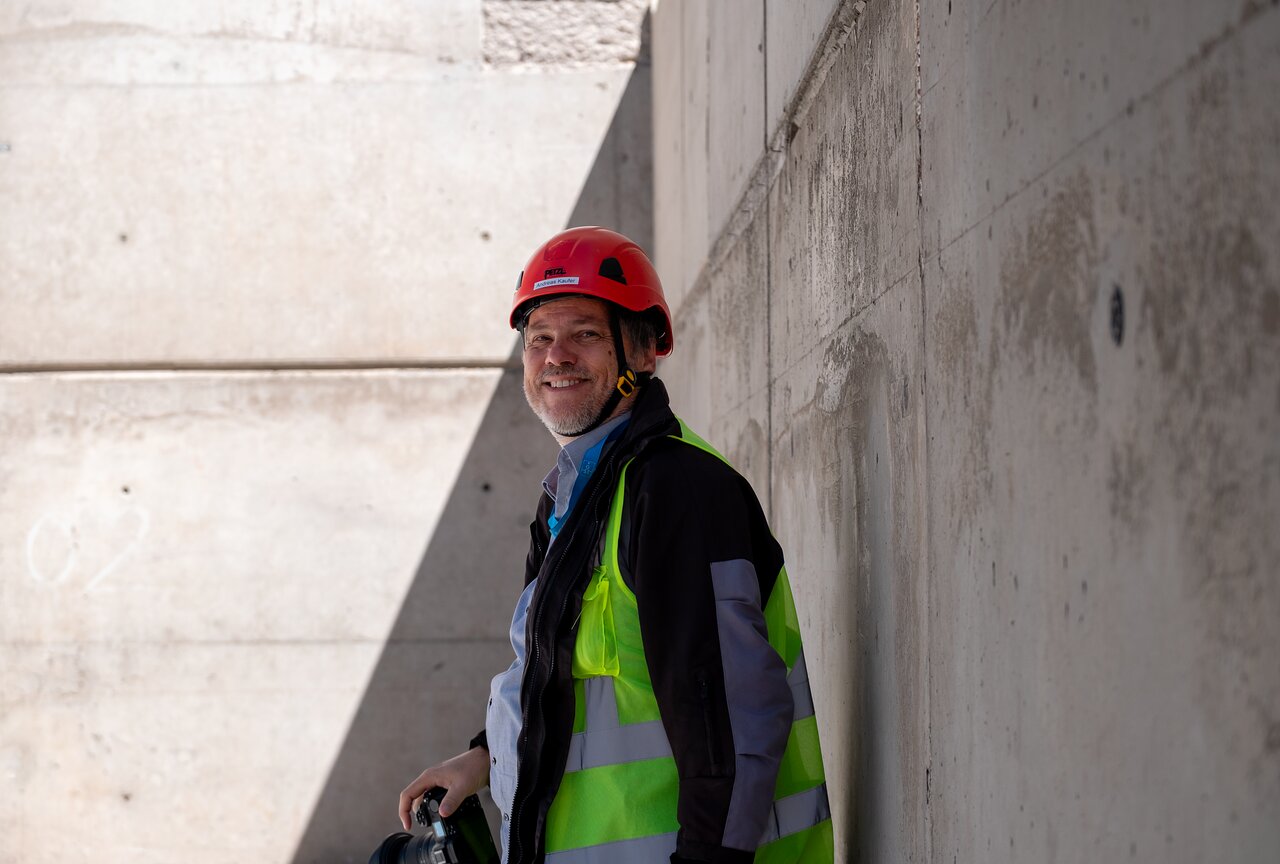
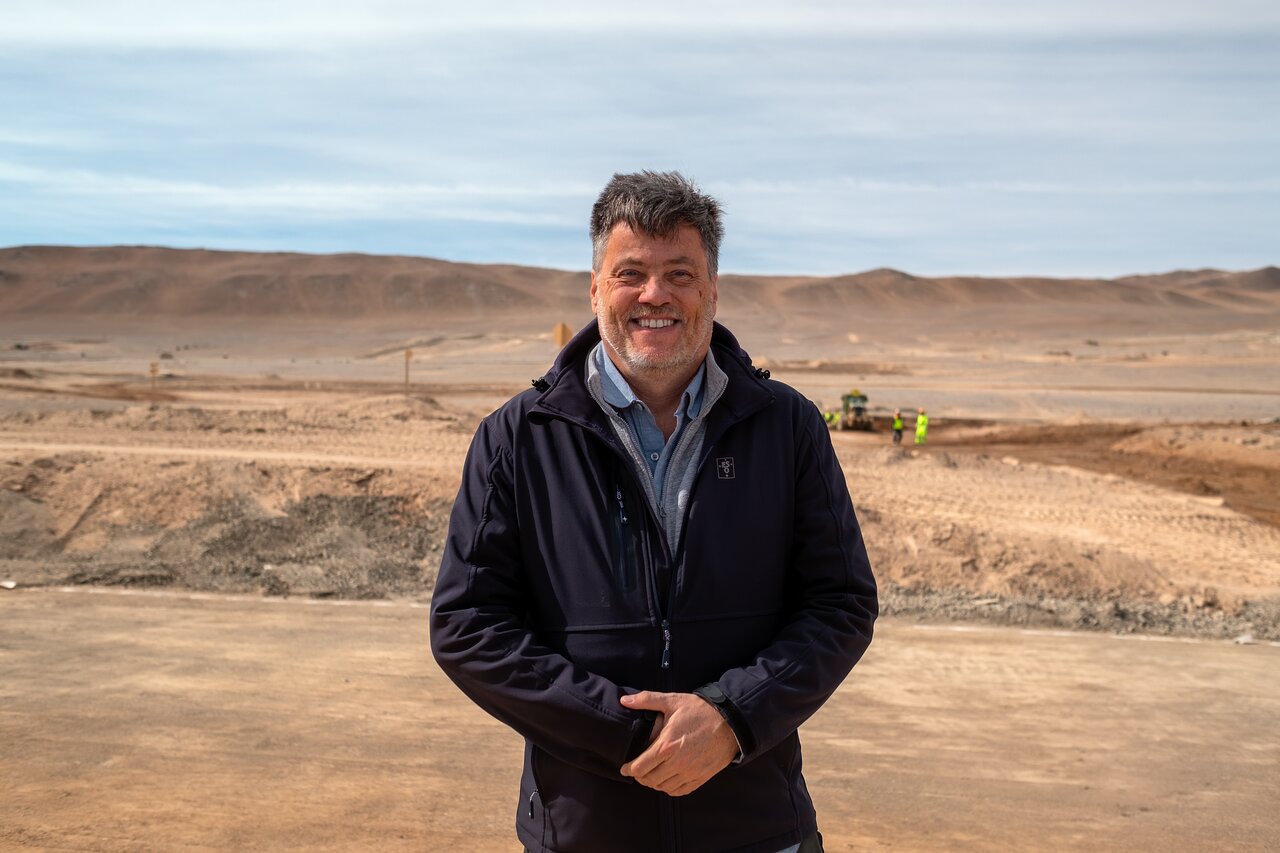
Andreas Kaufer treedt aan als nieuwe directeur-generaal van de Europese Zuidelijke Sterrenwacht (ESO)
1 september 2026
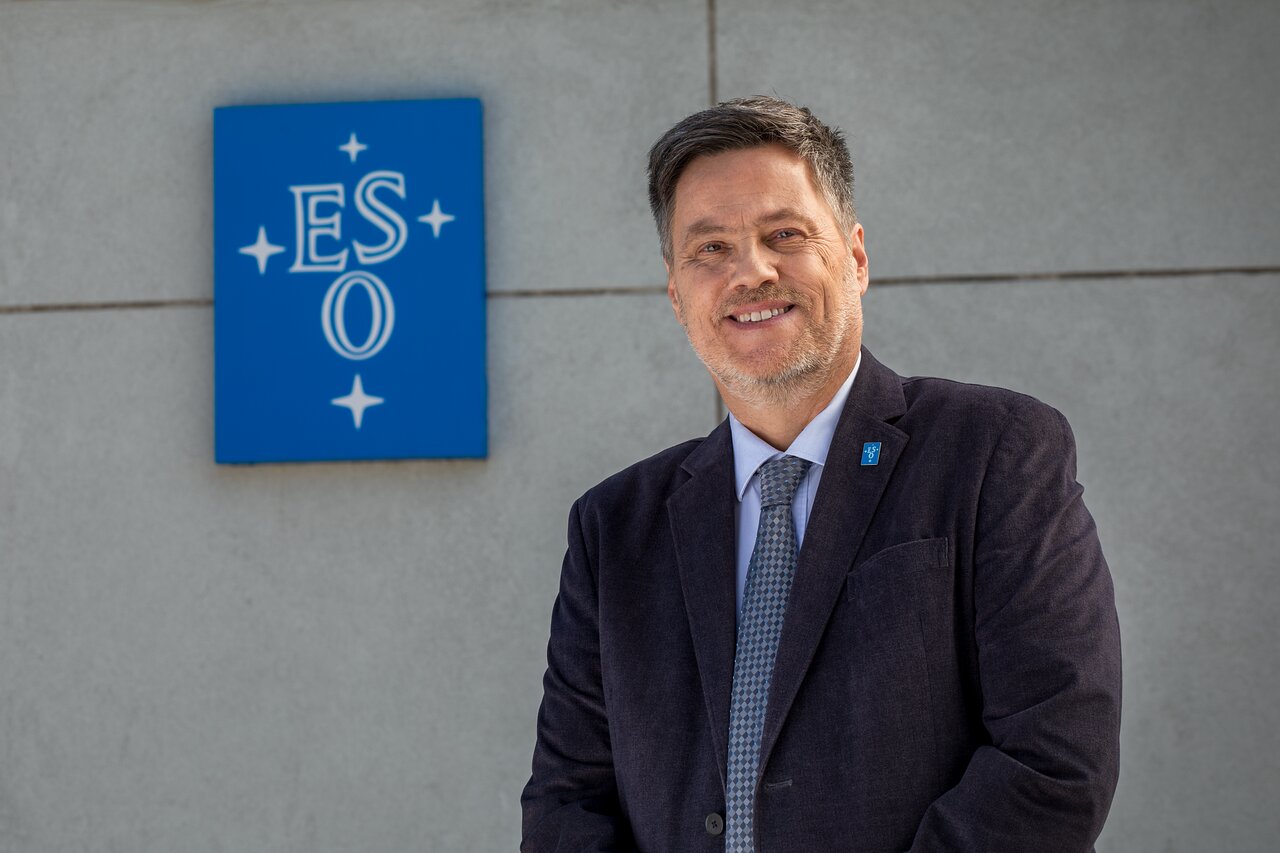
Vandaag, 1 september 2026, is Andreas Kaufer aangetreden als directeur-generaal van ESO. Kaufer neemt deze functie op zich terwijl de bouw van ESO’s Extremely Large Telescope (ELT) zijn eindfase nadert, ALMA een ingrijpende upgrade, ondergaat en ESO op zoek gaat naar zijn volgende onderzoeksprogramma. Kaufer is de opvolger van Xavier Barcons, die van 2017 tot het einde van zijn ambtstermijn op 31 augustus 2026 directeur-generaal van ESO was.
‘Mijn prioriteiten voor de komende vijf jaar zijn heel duidelijk’, zegt Kaufer. Op de eerste plaats zullen we ons richten op de succesvolle voltooiing en ingebruikname van de ELT. Maar voor mij is de ELT niet het einde van een reis, maar het begin van een nieuw hoofdstuk. Hij zal een revolutie teweegbrengen in de observationele astrofysica, en we kunnen ons nog maar amper voorstellen wat we allemaal gaan ontdekken. Tegelijkertijd zullen we ernaar streven het wetenschappelijke rendement van al onze ESO-faciliteiten op een veilige, efficiënte en effectieve manier te maximaliseren, om ervoor te zorgen dat ze nog vele tientallen jaren in bedrijf kunnen blijven. ‘Mijn doel is om ESO voor te bereiden op de toekomst, na de ‘First Light’ van de ELT. Dat gaan we bereiken door te investeren in onze mensen en in technologie, en door na te denken over de volgende generatie van wetenschappelijke mogelijkheden.’
Als negende directeur-generaal van ESO, neemt Kaufer een schat aan ervaring op het gebied van astronomisch onderzoek, instrumentatie en operationeel management met zich mee. Hij promoveerde in 1996 in de astronomie aan de Universiteit van Heidelberg en werkte daarna bij de Staatssterrenwacht van Heidelberg, waar hij onderzoek deed naar de atmosferen van zware sterren en de chemische evolutie van sterrenstelsels, terwijl hij tegelijkertijd astronomische instrumenten ontwikkelde en bouwde. Kaufer trad in 1999 in dienst bij ESO als lid van het team voor wetenschappelijke operaties en droeg bij aan de ingebruikname van de toen pas gebouwde Very Large Telescope. In 2006 werd hij directeur van de La Silla-Paranal-sterrenwacht en in 2008 werd hij benoemd tot de eerste Operationeel directeur van ESO.
Als directeur-generaal wil Kaufer, met hulp van het personeel en ESO’s telescopen en instrumenten van wereldklasse, wetenschap van de bovenste plank blijven leveren, zodat de best mogelijke astronomische waarnemingen kunnen worden gedaan.
Links
Over de Mededeling
| Id: | ann26006 |
Afbeeldingen



Our use of Cookies
We use cookies that are essential for accessing our websites and using our services. We also use cookies to analyse, measure and improve our websites’ performance, to enable content sharing via social media and to display media content hosted on third-party platforms.
ESO Cookies Policy
The European Organisation for Astronomical Research in the Southern Hemisphere (ESO) is the pre-eminent intergovernmental science and technology organisation in astronomy. It carries out an ambitious programme focused on the design, construction and operation of powerful ground-based observing facilities for astronomy.
This Cookies Policy is intended to provide clarity by outlining the cookies used on the ESO public websites, their functions, the options you have for controlling them, and the ways you can contact us for additional details.
What are cookies?
Cookies are small pieces of data stored on your device by websites you visit. They serve various purposes, such as remembering login credentials and preferences and enhance your browsing experience.
Categories of cookies we use
Essential cookies (always active): These cookies are strictly necessary for the proper functioning of our website. Without these cookies, the website cannot operate correctly, and certain services, such as logging in or accessing secure areas, may not be available; because they are essential for the website’s operation, they cannot be disabled.
Functional Cookies: These cookies enhance your browsing experience by enabling additional features and personalization, such as remembering your preferences and settings. While not strictly necessary for the website to function, they improve usability and convenience; these cookies are only placed if you provide your consent.
Analytics cookies: These cookies collect information about how visitors interact with our website, such as which pages are visited most often and how users navigate the site. This data helps us improve website performance, optimize content, and enhance the user experience; these cookies are only placed if you provide your consent. We use the following analytics cookies.
Matomo Cookies:
This website uses Matomo (formerly Piwik), an open source software which enables the statistical analysis of website visits. Matomo uses cookies (text files) which are saved on your computer and which allow us to analyze how you use our website. The website user information generated by the cookies will only be saved on the servers of our IT Department. We use this information to analyze www.eso.org visits and to prepare reports on website activities. These data will not be disclosed to third parties.
On behalf of ESO, Matomo will use this information for the purpose of evaluating your use of the website, compiling reports on website activity and providing other services relating to website activity and internet usage.
Matomo cookies settings:
Additional Third-party cookies on ESO websites: some of our pages display content from external providers, e.g. YouTube.
Such third-party services are outside of ESO control and may, at any time, change their terms of service, use of cookies, etc.
YouTube: Some videos on the ESO website are embedded from ESO’s official YouTube channel. We have enabled YouTube’s privacy-enhanced mode, meaning that no cookies are set unless the user actively clicks on the video to play it. Additionally, in this mode, YouTube does not store any personally identifiable cookie data for embedded video playbacks. For more details, please refer to YouTube’s embedding videos information page.
Cookies can also be classified based on the following elements.
Regarding the domain, there are:
- First-party cookies, set by the website you are currently visiting. They are stored by the same domain that you are browsing and are used to enhance your experience on that site;
- Third-party cookies, set by a domain other than the one you are currently visiting.
As for their duration, cookies can be:
- Browser-session cookies, which are deleted when the user closes the browser;
- Stored cookies, which stay on the user's device for a predetermined period of time.
How to manage cookies
Cookie settings: You can modify your cookie choices for the ESO webpages at any time by clicking on the link Cookie settings at the bottom of any page.
In your browser: If you wish to delete cookies or instruct your browser to delete or block cookies by default, please visit the help pages of your browser:
Please be aware that if you delete or decline cookies, certain functionalities of our website may be not be available and your browsing experience may be affected.
You can set most browsers to prevent any cookies being placed on your device, but you may then have to manually adjust some preferences every time you visit a site/page. And some services and functionalities may not work properly at all (e.g. profile logging-in, shop check out).
Updates to the ESO Cookies Policy
The ESO Cookies Policy may be subject to future updates, which will be made available on this page.
Additional information
For any queries related to cookies, please contact: pdprATesoDOTorg.
As ESO public webpages are managed by our Department of Communication, your questions will be dealt with the support of the said Department.